Debenhams is back. Well, at least that’s what Boohoo Group CEO Dan Finley hailed yesterday (11 March), as Boohoo Group is set to be rebranded as Debenhams.
Georgia Wright, news editor of Retail Gazette, explores what the decision means for Debenhams and its struggling fast fashion brands – Boohoo, PrettyLittleThing and Boohoo Man – which were once the group’s driving force.
Subscribe to Marketing Beat for free
Sign up here to get the latest agency-related news sent straight to your inbox each morning
How Boohoo Group is evolving and what’s next?
Since acquiring the Debenhams brand in 2022, following the long-suffering department store chain’s administration, Boohoo executed a major strategic shift.
The department store’s former bricks-and-mortar focused model was replaced with an online marketplace approach. Instead of holding inventory, Boohoo now partners with external brands that manage their own stock and logistics.
As Finley, who stepped into the CEO role four months ago, explained: “We are principally a marketplace model… the responsibility for buying, storing, picking, and packing the products rests with our partner.”
This “stock-lite” strategy reduces both risk and capital investment, a significant advantage in the fast-evolving e-commerce landscape. The marketplace model has driven impressive growth, with GMV reaching £645m in FY25, up 43% year-on-year. Finley also pointed out that the new model achieved a 27% EBITDA margin, a strong performance in today’s challenging retail climate.
Peel Hunt analyst John Stevenson praised the success of the Debenhams platform, highlighting how the transition from a traditional retail model has positioned it for continued growth.
“The shift to a marketplace model has been highly effective,” he said.
“The momentum is undeniable, and it’s clear that as more brands join the platform, it will keep gaining traction.”
According to Finley, new initiatives, such as retail media and Debenhams Pay+ (a financial services platform), are also in the works to boost customer engagement and drive further growth. This vision aligns with Boohoo’s goal to offer a more diverse array of products and services while maintaining a capital-light model.
Looking ahead, Finley said: “We see Debenhams becoming a multi-billion-pound GMV business in the medium term.”
Buoyed by this momentum across its Debenhams division, Boohoo is now leveraging proprietary technology to scale this model, which will be rolled out across the group to support the broader marketplace shift. But while Stevenson notes that the success of Debenhams’ transformation could provide a wider blueprint for growth across the group, it also highlights the unique challenges Boohoo’s youth brands face.
So, will what worked for Debenhams also revive the fortunes of the group’s struggling fast-fashion division?

Marketplace vs fast fashion
The success of Debenhams’ marketplace model sharply contrasts with the ongoing struggles faced by Boohoo’s core fast-fashion brands.
Boohoo, PrettyLittleThing and Boohoo Man have all seen significant declines in performance as the has market evolved, and younger consumers have become increasingly discerning about where they shop.
As John Stevenson of Peel Hunt notes, Boohoo’s youth fashion brands continue to battle against stiff competition and shifting consumer preferences.
“The market has changed, and the demand for fast fashion has softened,” he explained.
“Brands like Boohoo and PrettyLittleThing were once at the forefront, but now they’re struggling to capture attention in a world where trends are shifting rapidly, and price sensitivity is at an all-time high.”
The challenges facing Boohoo’s brands are compounded by inflationary pressures and tighter budgets, which have led to reduced spending and a heavy reliance on discounting, ultimately eroding their margins. With competitors like Shein offering lower-priced options and more diversified products, Boohoo and its brands are forced to evolve to stay relevant.
Stevenson pointed out that the decline in the performance of the brands isn’t just about external competition, it’s also a reflection of the changing dynamics within the fast-fashion market itself.
“The young fashion market has really struggled,” he said.
“If you look at the performance over the last six months, young fashion is down 25%. That’s not just the US exit, it’s also a result of these brands being increasingly challenged in their own markets.”
In FY25, these youth fashion brands saw a decline in GMV and profits, particularly in the latter half of the year. Their struggles to keep pace with the shifting market are starkly different from the growth driven by Debenhams’ successful marketplace shift.
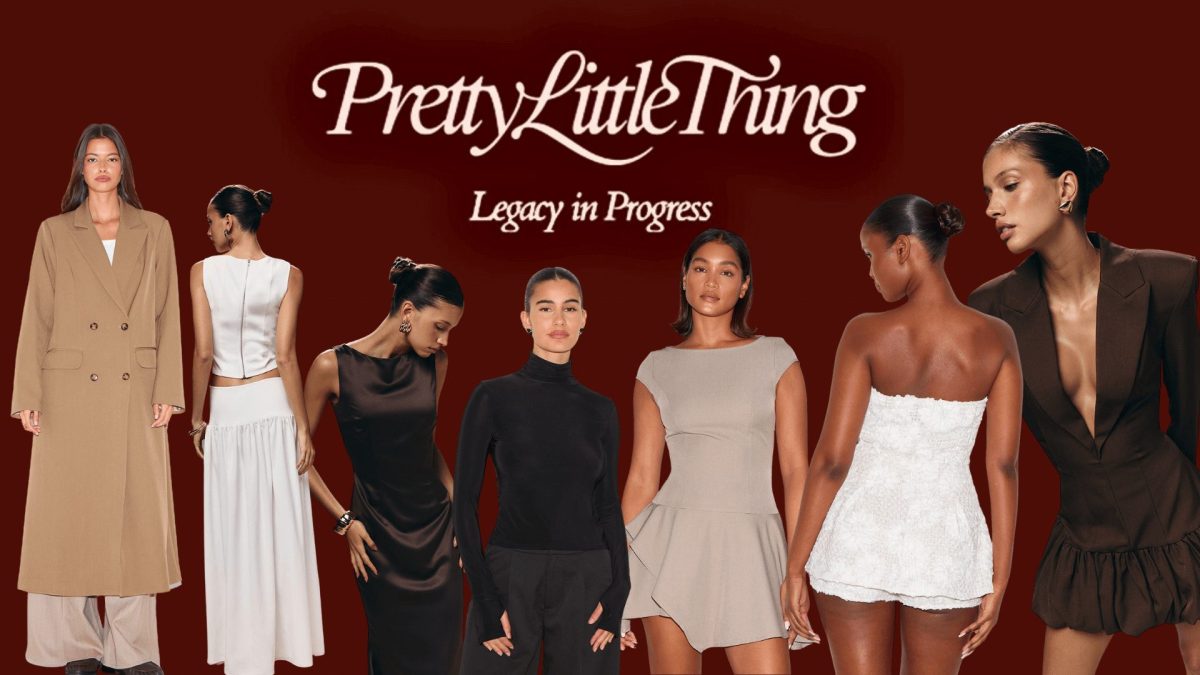
PrettyLittleThing, for example, launched its rebrand earlier this month with a shift away from its trademark bubble-gum pink and unicorn motifs toward a more “quiet luxury” aesthetic.
However, Chloe Collins, GlobalData’s head of apparel, said reaction to this branding shift “has been mostly negative, with the brand failing to justify its new higher price points with either improved quality or better environmental credentials and alienating its youngest followers who do still want trend-led styles, who now have even more reason to turn to Shein”.
For these brands to regain their relevance and long-term growth potential, they may need a similar transformation, including a shift in both business model and brand identity. Whether it requires a full rebranding or a complete strategic overhaul remains uncertain, but it’s clear that the current model is insufficient to thrive in today’s fast-evolving fashion market.
Will it work?
Debenhams’ transition to a marketplace model has proven successful, and Boohoo is keen to replicate this across its portfolio, but can this model succeed across the entire business, especially for Boohoo’s youth fashion brands?
Collins is unconvinced, and said a broader move to a marketplace model is “unlikely to work, given the waning desirability of [Boohoo’s fashion brands] and Shein’s marketplace ambitions”.
If Boohoo fails to replicate Debenhams’ marketplace success with its youth brands, it risks continued decline in growth and relevance. For these brands to adapt, Boohoo will need to implement structural changes, not only in operations but in how they’re marketed and perceived.
Stevenson said: “The shift to a marketplace model won’t automatically resolve the challenges Boohoo’s brands face. They’re still grappling with significant competition and changing consumer behaviours.”
A marketplace model could provide a path forward, but Boohoo’s youth brands will need more than just a structural shift. They will have to transform how they engage with customers, manage their supply chains and position themselves in a rapidly changing market.