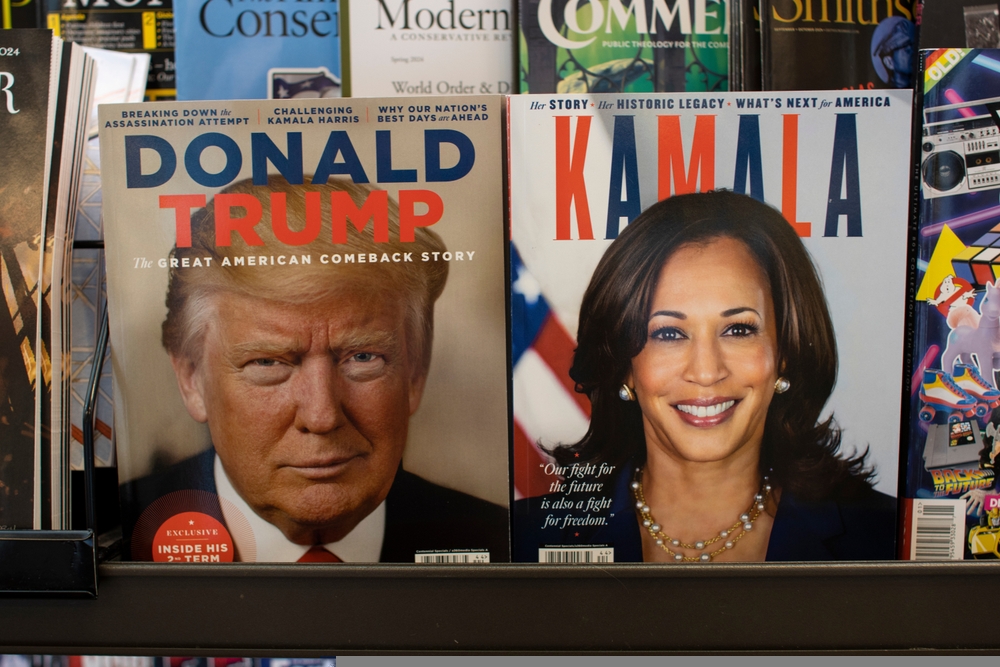
In recent election cycles, social media has become a battleground for political influence.
From the rise of micro-targeting and deepfake videos to the spread of coordinated disinformation campaigns, platforms that were designed to connect people have become weapons in the fight for votes.
Tom Sneddon, managing partner at social and creator agency Supernova, part of Atomic London, notes: “Speeches, door knocks, and interviews have always been a part of campaigning for political parties in the lead-up to elections. But now the battleground has extended to social media.”
This was once thought to be a space primarily for younger voters, however, Sneddon points out: “Social isn’t an exclusively youth-oriented form of political campaigning.
“In fact, adults now spend an average of one to two hours a day online, giving campaigns a unique opportunity to reach people throughout the day in a way that feels familiar to them.”
In the 2020 US elections, social media marketing played a pivotal role in shaping public opinion, with candidates and the public alike using platforms like X – formerly Twitter – and Facebook for targeted messaging.
However, the lack of regulation allowed misinformation to spread freely. One of the most notable examples was the spread of false claims about the election results after Joe Biden’s victory.
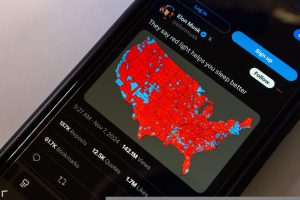
The current President-Elect President Donald Trump used platforms like X to promote misleading narratives, which contributed to the Capitol insurrection on 6 January, 2021.
Almost four years later, social media remains a political battlefield, with new challenges emerging, including the rise of AI-generated content, which can make fabricated videos appear terrifyingly real.
A major tactic in political campaigns today is microtargeting, also known as hyper-targeting. By using data analytics provided by social media platforms, campaigns can tailor messages to individuals based on their personal data, interests, and behaviour.
Subscribe to Marketing Beat for free
Sign up here to get the latest agency-related news sent straight to your inbox each morning
“Campaigns are able to play into people’s fears, biases, or prejudices to shift opinions in a very short time frame,” Sneddon explains.
This level of personalisation can be highly effective, but it also comes with risks. For example, one side of the political debate might create and spread misleading ads about mail-in voting in swing states, sowing confusion and potentially suppressing voter turnout.
The role of TikTok
Platforms like TikTok have further amplified social media’s role in political campaigns. During recent elections, both political sides used TikTok to engage younger voters, with content aimed directly at Gen Z.
For instance, Kamala Harris’s team created the TikTok account Kamala HQ to reach younger audiences, posting videos that ranged from speeches to memes. One post featured a photo of Donald and Melania Trump voting, with the caption: “Not Trump double checking to make sure Melania voted for him.”
While TikTok officially bans political advertising, this hasn’t stopped the rise of political content on the platform. Much of it is organic content, often created by influencers rather than politicians themselves.
Brands are also getting involved in the political conversation. For example, ice cream brand Ben & Jerry’s released a special ice-cream flavour – Churn Out the Vote – ahead of the election to encourage people to vote and used TikTok to promote it.
Sneddon explains that 71% of consumers expect brands to take positions on societal issues while 60% say they buy or avoid brands based on their personal politics.
He adds that if brands are to take a stand, “it can’t be a ‘check-the-box’ act”.
“Brands need to be clear on what issues they stand for and be committed long-term,” he says.
Social censorship?
As social media becomes a primary tool for political communication, issues of censorship and algorithmic bias are at the forefront of public debate.
Platforms like YouTube, X, and Facebook are often accused of either censoring certain political views or disproportionately amplifying others. Some conservatives argue their content is unfairly flagged or removed, while liberal voices remain unchecked.
But is this censorship? Or is it the result of algorithms designed to prioritise engagement over objectivity? Social media algorithms tend to amplify sensational, polarising, and emotionally charged content because it keeps users engaged for longer.
This often results in divisive content going viral, creating a loop where extremist views are amplified, pushing users into ideological “echo chambers”.
This can distort political discourse, fostering greater polarisation between liberal and conservative viewpoints. Some critics argue that this kind of algorithmic bias censors moderate voices and prevents the exchange of diverse ideas.
Addressing the issue
Experts believe that to address these challenges a collaboration between governments, social media platforms, and the public is needed.
One potential solution that has been put forward to combat misinformation in political advertising is to make social media platforms disclose all political ads, including details about the sponsoring organisation or individual.
It is believed this would help users understand who is behind the messaging they see and the commercial or political interests involved.
There’s also growing support for tightening rules around micro-targeting. Legislation could be put in place to ensure that personal data isn’t used to spread misinformation or target vulnerable users.
Another suggestion is to fund independent third-party fact-checkers who can verify claims made on social media in real time, flagging misleading content as it emerges.
Sneddon adds: “While the platforms themselves have taken plenty of positive steps, there seems to be some unease with formal regulation outside of broadcast channels – by extending the role of the ASA, for example – because of the need for political independence, protecting freedom of speech, and the inevitable costs for implementing any sort of sustainable regulation.”
“Ultimately, because this issue goes to the heart of our democracy,” Sneddon concludes. “I would argue it’s the political parties that need to take the all-important first step and agree to be held to the same standards that society expects from advertisers.”
The weaponisation of social media marketing in political campaigns is an evolving issue and as we move beyond the 2024 US elections, the conversation on how to address this issue continues to grow.
Whether through regulation, transparency, or fact-checking, the question remains: How can we ensure that political social media marketing is a tool for democratic engagement, rather than manipulation?