TfL bans West End promotion poster over HFSS wedding cake

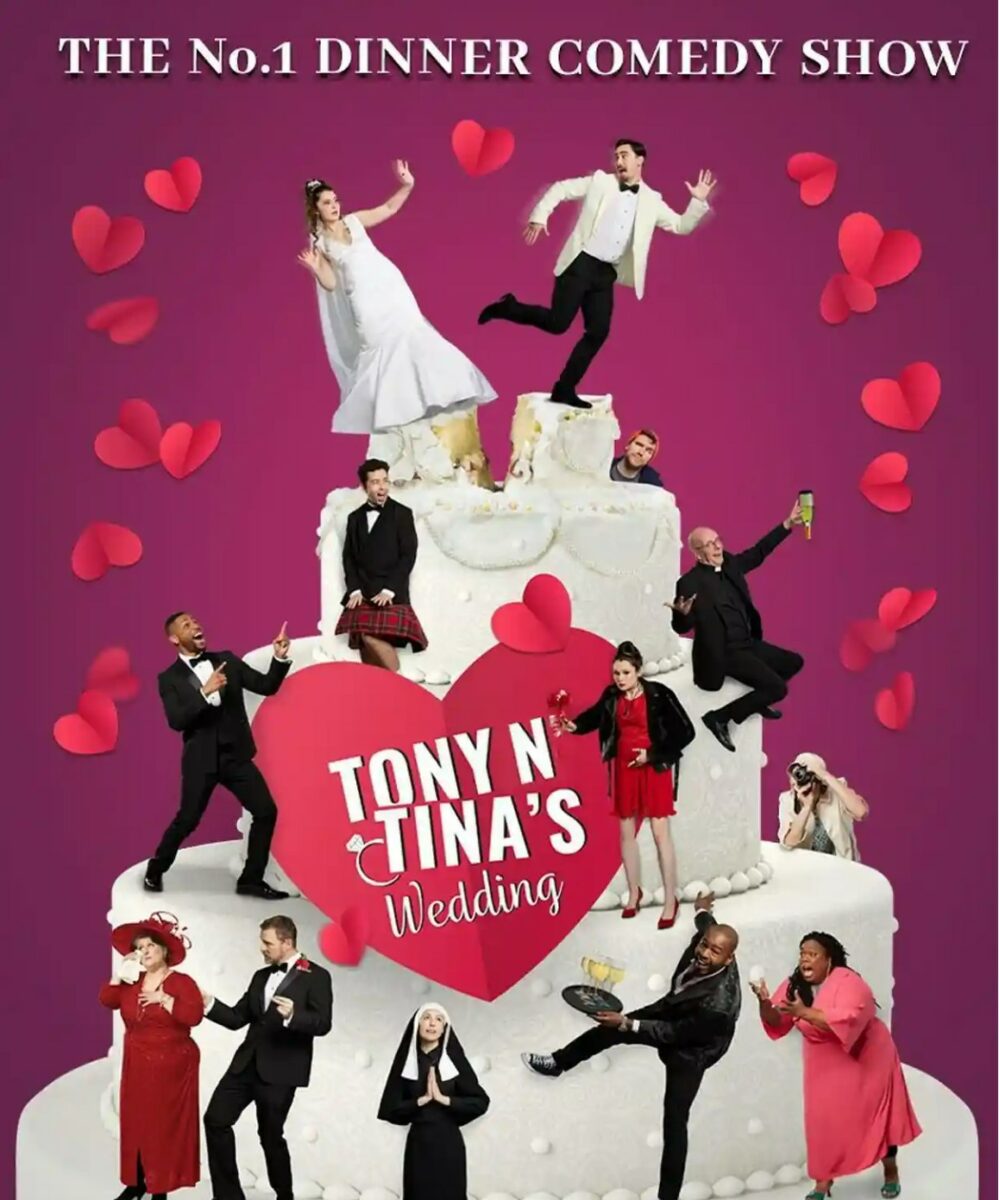
Transport for London (TfL) has banned a West End play's promotional poster for featuring an "unhealthy" multi-tier wedding cake that violated the network's foods high in fat, salt and sugar (HFSS) advertising rules, depicted here
Creative and CampaignsNews

Transport for London (TfL) has banned a West End promotional poster for featuring an “unhealthy” multi-tier wedding cake that violated the network’s foods high in fat, salt and sugar (HFSS) advertising rules.

The theatre poster promoted an upcoming play, Tony n’ Tina’s Wedding, depicting a bride and groom teetering on the edge of a split, traditional-looking Victoria sponge wedding cake.

TfL said the adverts were removed from Tube stations as the posters breached the London network’s food and drink advertising policy, by promoting “the consumption of high fat, salt and sugar [HFSS] foods”.

The organisers of the interactive Broadway comedy, who printed 200 posters for the campaign at a cost of £20,000, had to pay an additional £5,000 to remove the cake from the poster after the production’s appeal failed.

Producer Paul Gregg, known for bringing The Lion King to the Lyceum Theatre in 1996, told The Times, “I never dreamt it would be a problem. We’ve now reached a point where a poster can be banned because it features a cake. It’s ridiculous and just makes everything hard work.”


Subscribe to Marketing Beat for free

Sign up here to get the latest marketing news sent straight to your inbox each morning


TfL’s latest HFSS advertising guidance was introduced in 2019 after the company took its lead from the Department of Health and Social Care’s nutrient profiling model, which is aimed at reducing the exposure of children to the advertising and promotion of HFSS foods.

A TfL spokesperson said: “We welcome all advertising on our network that complies with our published guidance. We are always happy to work with brands to help them follow our advertising policy.”

The London transport network joins seven local authorities that have implemented HFSS measures in their own estate following multiple delays and push-back from the UK government over national measures.

Other notable companies that have implemented HFSS policies voluntarily include Tesco, which last year joined forces with other suppliers and retailers to ask the government to take ‘meaningful’ action.

TfL bans West End promotion poster over HFSS wedding cake

Transport for London (TfL) has banned a West End play's promotional poster for featuring an "unhealthy" multi-tier wedding cake that violated the network's foods high in fat, salt and sugar (HFSS) advertising rules, depicted here

Social

Creative and CampaignsNews

Social

SUBSCRIBE TO OUR DAILY NEWSLETTER

  • This field is for validation purposes and should be left unchanged.

Most Read

Transport for London (TfL) has banned a West End promotional poster for featuring an “unhealthy” multi-tier wedding cake that violated the network’s foods high in fat, salt and sugar (HFSS) advertising rules.

The theatre poster promoted an upcoming play, Tony n’ Tina’s Wedding, depicting a bride and groom teetering on the edge of a split, traditional-looking Victoria sponge wedding cake.

TfL said the adverts were removed from Tube stations as the posters breached the London network’s food and drink advertising policy, by promoting “the consumption of high fat, salt and sugar [HFSS] foods”.

The organisers of the interactive Broadway comedy, who printed 200 posters for the campaign at a cost of £20,000, had to pay an additional £5,000 to remove the cake from the poster after the production’s appeal failed.

Producer Paul Gregg, known for bringing The Lion King to the Lyceum Theatre in 1996, told The Times, “I never dreamt it would be a problem. We’ve now reached a point where a poster can be banned because it features a cake. It’s ridiculous and just makes everything hard work.”


Subscribe to Marketing Beat for free

Sign up here to get the latest marketing news sent straight to your inbox each morning


TfL’s latest HFSS advertising guidance was introduced in 2019 after the company took its lead from the Department of Health and Social Care’s nutrient profiling model, which is aimed at reducing the exposure of children to the advertising and promotion of HFSS foods.

A TfL spokesperson said: “We welcome all advertising on our network that complies with our published guidance. We are always happy to work with brands to help them follow our advertising policy.”

The London transport network joins seven local authorities that have implemented HFSS measures in their own estate following multiple delays and push-back from the UK government over national measures.

Other notable companies that have implemented HFSS policies voluntarily include Tesco, which last year joined forces with other suppliers and retailers to ask the government to take ‘meaningful’ action.
Creative and CampaignsNews

Leave a Reply

Your email address will not be published. Required fields are marked *

Fill out this field
Fill out this field
Please enter a valid email address.

RELATED STORIES

Most Read

Latest Feature

Latest Podcast

Menu


Close popup

Please enter the verification code sent to your email: