Telecom firm EE is warning of the dangers of “unprotected texts” this Valentine’s Day, with new figures indicating as many as 93% of online daters share their personal information.
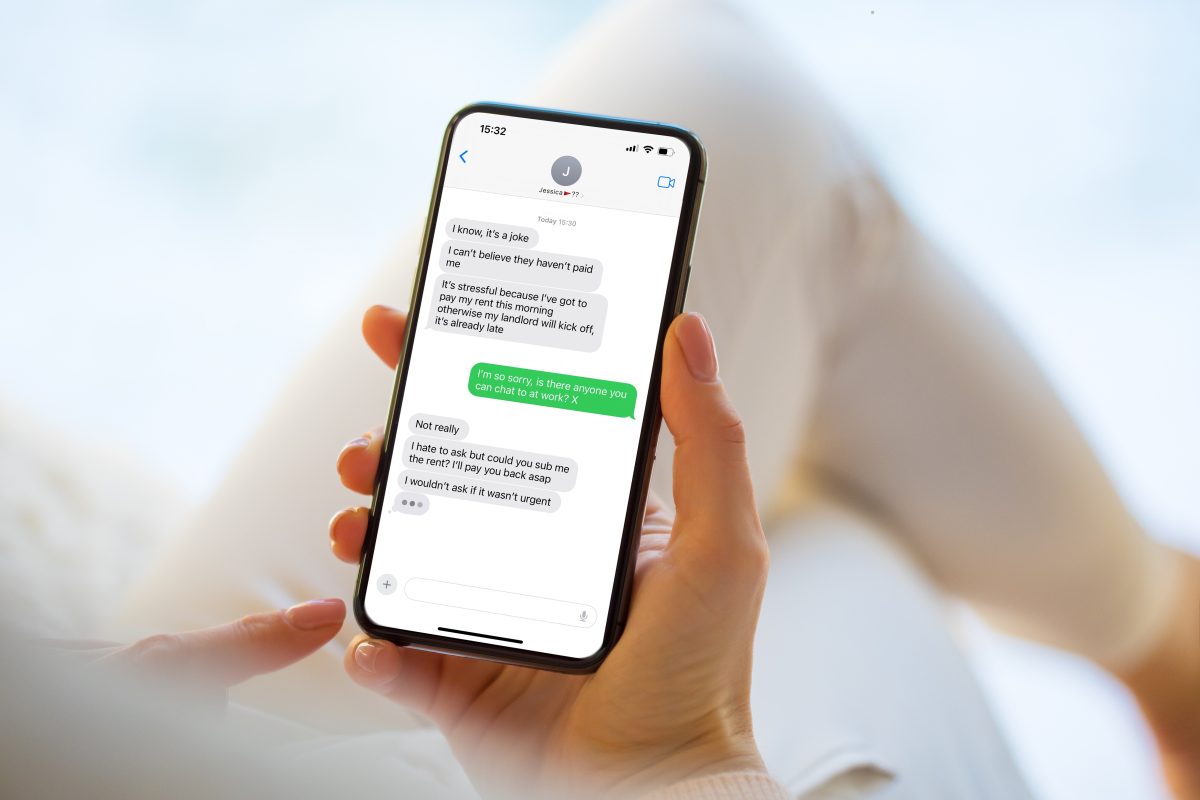
The new awareness drive aims to shine a spotlight on the dangers posed to online daters by scammers, who can target people over text, messaging apps and social media to impersonate and defraud them.
The “unprotected texts” campaign is informed by insight that one in ten (11%) UK residents have reported falling victim to a romance scam, with one in five losing money as a result, amounting to an average of £2,500.
Designed to help protect its users from such scams, the brand is warning against some of the most obvious red flags including asking for money or gifts, using urgent or emotional language, and avoiding video calls or in-person meetings.
Subscribe to Marketing Beat for free
Sign up here to get the latest agency-related news sent straight to your inbox each morning
“Scammers are experts at preying on the vulnerable. At this time of year, when social media is full of public displays of affection, it can be tempting to turn a blind eye to the red flags, but spotting them is more important than ever,” said Richard Wainer, EE regulatory affairs director.
“The threat of scams is an unhappy part of life in 2025, and we’re all increasingly familiar with the traditional calling cards of a scam. However, in a dating context, we’re more vulnerable to social engineering and attempts to defraud can be harder to spot.”
He continued: “That’s why it’s so important people practice ‘safe texts’. We recommend keeping your sensitive information like your address, email address and security question answers closely guarded and do not share these via text.
“Always verify someone’s identity with a video call or meeting before getting too personal and never send money or gifts to someone you’ve just met online.”